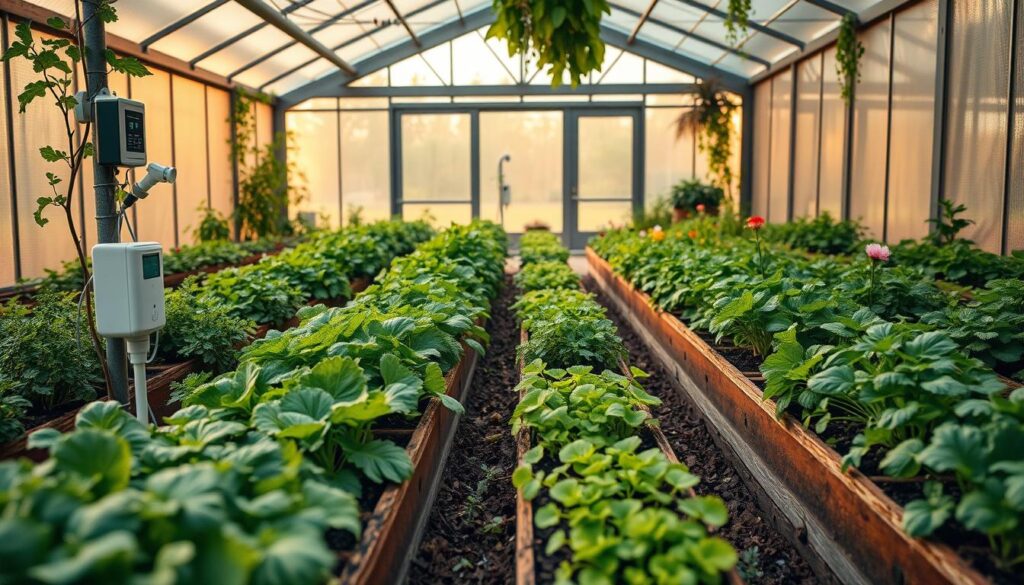

You may feel unsure about growing your own herbs and salad greens. The idea of indoor gardening can seem technical or out of reach. Yet a smart garden can change that feeling into pride and calm. These compact kits automate lights, water, and nutrients so your plants get steady care even if you forget for a week. Models from Click & Grow and other brands use built-in LED lighting and hydroponics to let you grow herbs, lettuce, cherry tomatoes, and peppers in a small space.
Expect easy refill intervals and quiet pumps that fit apartment life. You’ll learn how a grow smart garden removes guesswork and how much fresh food you can harvest from a counter or corner.
Key Takeaways
- Automation handles light and water, so beginners succeed.
- You can grow fresh food like herbs and lettuce indoors.
- Click & Grow-style seed pods make setup simple.
- Compact options fit any small space or kitchen counter.
- Refill cycles and quiet pumps make daily life easy.
Smart gardening system
An integrated home garden brings timed LED light, steady watering, and easy app guidance to your room.
What it does: These units automate light cycles, manage water delivery, and remind you when to add nutrients or prune. You get hands-off care that still produces fresh herbs and salad greens.
The tech varies. Some models use pump-driven hydroponic circulation for fast nutrient delivery. Others rely on passive wicking that soaks roots slowly. Pick the method that fits your space and noise tolerance.
- Timers and LED arrays replace weak room light and keep schedules consistent.
- Touchscreens or apps let you monitor water levels and set alerts from your phone.
- Capacity ranges run from 3-pod countertop units to furniture-style racks holding 30+ plants.
| Type | Capacity | Water delivery | Best for |
|---|---|---|---|
| Countertop | 3–9 pods | Wicking or small pump | Beginners, kitchens, small rooms |
| Mid-size | 10–18 pods | Pump circulation | Regular herbs and lettuce |
| Furniture-style | 24–36 pods | Large tank, pump, sensors | Year-round harvest, families |
| Vertical | 16–30 pods | Timed pump with rings | Small footprint, high yield |
Why you’ll love going smart: convenience, yield, and year-round greens
Indoor growers often choose automated units to cut chores and get steady harvests.
You’ll save time: Many models need water refills only every two to three weeks. That leaves you free to harvest basil, lettuce, and other herbs instead of doing daily upkeep.
Consistent conditions boost growth: Timed LED light cycles of 12–16 hours and hydroponic delivery keep plants growing even in winter or low-light apartments. That means higher yield and faster harvests.
Small footprint, big payoff: These units fit tight counters and rental spaces while still supplying a steady salad and herb stash. You avoid frequent grocery trips for delicate greens.
- Automation reduces routine chores so you can focus on cooking and harvesting.
- Alerts for water and nutrients remove guesswork common in soil gardening.
- Compact design saves space while delivering reliable plant growth and flavor.
| Benefit | What it does | How it helps you | Best use |
|---|---|---|---|
| Long refill interval | Water top-ups every 2–3 weeks | Less maintenance during travel or busy weeks | Busy households, renters |
| Timed LED light | 12–16 hour schedules | Steady growth and predictable harvest cycles | Low-light apartments |
| Hydroponic flow | Consistent nutrient delivery | Faster growth and higher yields | Lettuce, basil, leafy herbs |
| Compact footprint | Small counter or shelf units | Fresh herbs without a yard | Small kitchens, studio apartments |
Top picks for 2025: the best smart gardens for your space and goals
Picking the right countertop or vertical kit makes indoor growing simple and rewarding. Below are compact choices that suit tiny counters, busy kitchens, or a furniture-style centerpiece.
Best countertop starter: Click & Grow Smart Garden 3
The Click & Grow Smart Garden 3 uses three pods, built-in LED lights, and water refills every two to three weeks. Larger 9- and 27-pod models are available if you outgrow the counter unit.
Best herb workhorse: AeroGarden Bounty
The Aerogarden Bounty holds nine pods, offers an adjustable LED up to 24″, pumps circulation, touchscreen alerts, Alexa support, and a vacation mode for hands-off weeks.
Best furniture-style: Rise Gardens Single / Single Family
Rise Gardens supports up to 36 plants with a 5-gallon tank, sensors for water, light, and nutrients, app control, and modular expansion. The steel-and-wood look doubles as a living-room feature.
Best compact vertical option: Gardyn Studio
Gardyn Studio/Home fits 16–30 pods in a vertical frame, adds cameras and sensors, runs 12–16 hour light cycles, and keeps watering noise low at about five minutes a day.
- Also consider: Lettuce Grow Farmstand for 18–36 shoots, Ingarden for fast microgreens, or the Edn Small Garden for a sleek 10-pod design.
- Match capacity and footprint to your counter or room so you know how many fresh herbs and salad greens you can grow.
| Model | Capacity | Key feature |
|---|---|---|
| Click & Grow Smart Garden 3 | 3 pods | LED, 2–3 week refills |
| AeroGarden Bounty | 9 pods | Adjustable LED, pump, Alexa |
| Rise Gardens Single | Up to 36 plants | 5-gallon tank, sensors, app |
How to choose the Correct smart garden for your home
Size, water delivery, and light power decide how well a kit fits your daily life. Start by matching capacity to the room and your harvest goals.
Countertop vs furniture-size vs vertical options
Countertop fits small apartments and kitchen counters. Think Click & Grow Smart Garden 3 for three pods and easy refills.
Furniture-size suits high yield and families. Rise Gardens holds up to 36 plants and includes a 5-gallon tank with app sensors.
Vertical saves floor space. Gardyn Studio/Home packs 16–30 pods and uses cameras and sensors for monitoring.
Hydroponic circulation, wicks, and tank size
Hydroponic pump circulation (AeroGarden, Rise, Gardyn, Farmstand) gives faster nutrient flow.
Wicking (Click & Grow, Ingarden) is low fuss and simple.
Consider refill rhythm: small tanks may need top-ups every two to three weeks; larger tanks can last a month.
Grow lights, LED power, and app control
Check grow lights and LED coverage so plants get even light for 12–16 hours.
Decide if you want an app or touchscreen for schedules and alerts.
Seed pods, variety, and total capacity
Pick units with the seeds and pods you want. Balance herbs, lettuce, and fruiting plants to avoid overcrowding.
- Quick checklist: capacity, water tank size, delivery method, light power, and app features.
- Match the kit to your room and routine for best results.
| Type | Example | Capacity |
|---|---|---|
| Countertop | Click & Grow Smart Garden 3 | 3 pods |
| Furniture | Rise Gardens | Up to 36 plants |
| Vertical | Gardyn Studio/Home | 16–30 pods |
Click & Grow: seed pods, grow lights, and kitchen counter ease
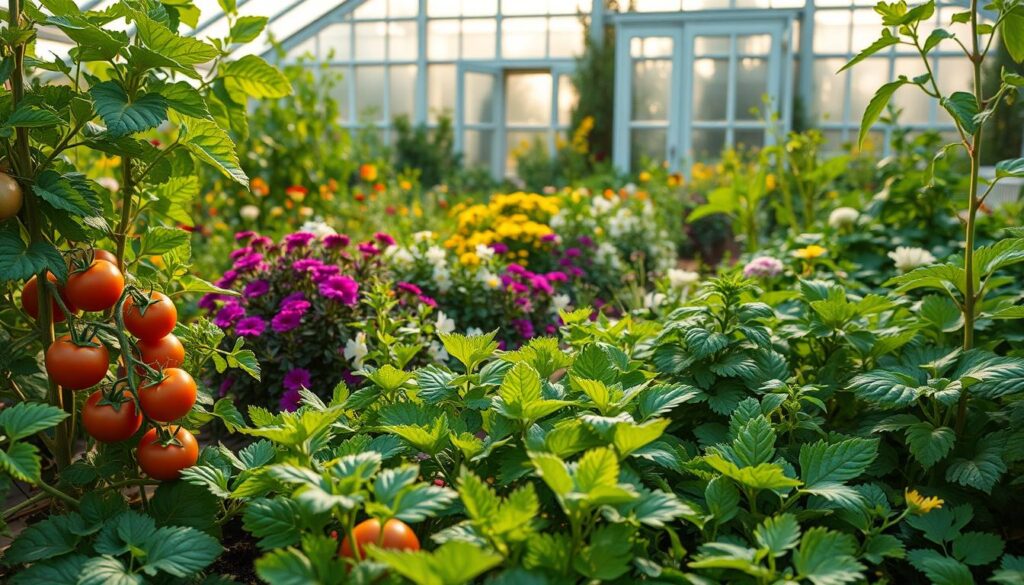
Small, neat, and forgiving, Click & Grow units turn a corner of your kitchen into a steady source of flavor.
What to pick: Choose the Click & Grow Smart Garden 3, 9, or 27 based on how many pods you want working at once on your kitchen counter. The 3‑pod fits a small counter, the 9 is great for regular cooks, and the 27 suits a larger kitchen or frequent harvests.
Popular pods and timing
Top seed pods include basil, lettuce, lavender, mini tomato varieties, and dwarf pea. Herbs like basil often yield usable cuttings in 30–40 days. Peas mature near 35 days.
Refill rhythm and light
The small water tank in the 3‑pod model needs top-ups roughly every two to three weeks. A float indicator makes refills simple.
Built‑in LED light runs on a timed cycle so you don’t need a sunny window.
- Pods cost: seed pods run about $3 each, with grow-anything pods letting you use your own seeds and nutrients.
- Fruiting plants: tomatoes and chilies may need hand‑pollination for best results.
- Quick tip: match the number of pods to your meal plan so you harvest before plants crowd each other.
| Model | Pods | Refill |
|---|---|---|
| Smart Garden 3 | 3 | Every 2–3 weeks |
| Smart Garden 9 | 9 | 3–4 weeks (larger tank) |
| Smart Garden 27 | 27 | 4+ weeks (largest tank) |
AeroGarden Bounty: nine pods, adjustable LED light, and pump-powered growth
Nine pods, a liftable LED, and a quiet pump make the AeroGarden Bounty an easy pick for cooks who want fresh greens fast.
What you can grow: Use the nine pods to run basil, mint, parsley, and dill together. You can also try compact tomatoes and peppers with the optional trellis for support.
Hands-off features that save time
The touchscreen shows low water and plant food alerts. Vacation mode dims the led light and cuts water use so plants stay healthy while you’re away.
Voice and app control: Alexa integration lets you check water levels or toggle lights hands-free. Setup takes about 15 minutes and the kit includes plant food to start steady growth.
- Adjustable LED: rises to 24″ to fit taller herbs and small fruiting plants.
- Pump circulation: keeps water moving and supports healthy roots with a soft drip sound.
- Quick setup: ready in about 15 minutes, with optional trellis for tomatoes and peppers.
| Feature | Spec | Why it helps you |
|---|---|---|
| Capacity | 9 pods | Grow multiple herbs and a few fruiting plants at once |
| Light | Adjustable LED up to 24″ | Fits basil and taller varieties without crowding |
| Water delivery | Pump circulation | Consistent nutrient flow and stronger roots |
| Controls | Touchscreen + Alexa | Alerts, voice checks, and remote convenience via app |
Rise Gardens: app-driven hydroponics that doubles as furniture
Imagine a living cabinet that uses sensors and an app to keep dozens of herbs and lettuces thriving. Rise Gardens blends a furniture-style look with serious hydroponic performance for your home.
Up to 36 plants with sensor-driven care
You can cultivate up to 36 plants in a single unit. Sensors track water, lights, and nutrient levels and send alerts to the app so you stay hands-off.
Sturdy build, large tank, and modular growth
The steel-and-wood frame looks right in a living room and lasts longer than plastic racks. A 5-gallon tank supports steady runs between refills and modular expansion adds levels as you need more space.
- Seedling packs arrive in sets of four for $12, so you can mix herbs and seeds easily.
- Assembly takes about an hour, and the yields were excellent in hands-on testing.
| Feature | Spec | Why it helps |
|---|---|---|
| Capacity | Up to 36 plants | Feed a household with steady harvests |
| Sensors | Water, lights, nutrients | Automates care and reduces guesswork |
| Tank | 5 gallons | Long refill intervals and stable nutrients |
| Design | Steel & wood | Acts as furniture and fits room decor |
Gardyn Studio and Gardyn Home: vertical gardening with cameras and sensors
Modern vertical units like Gardyn Studio and Gardyn Home cram 16–30 pods into a compact frame so you get more fresh produce in less space. These units pair hydroponic flow with cameras and sensors to help you monitor growth from your phone.
Small footprint, big yield: The vertical design fits apartment corners and still supports a steady harvest of herbs and salad greens.
Camera and sensor support: Built-in cameras feed images while sensors track light and water levels. The app sends alerts so you know when to refill, adjust lights, or check plants.
Daily life and noise: Lights run about 12–16 hours a day for robust growth. Short watering cycles make a low hum for roughly five minutes daily, so placement near living areas is easy.
Maintenance: Expect monthly cleaning and refilling to keep nutrient lines clear and yields steady.
- You can fit more pods into tight rooms without losing yield.
- The app delivers timely alerts for watering and lighting adjustments.
- Plan light schedules around your routine for predictable harvests.
- Short watering cycles mean low day-to-day noise.
- Monthly upkeep keeps the unit running at peak output.
| Model | Capacity | Key tech | Best for |
|---|---|---|---|
| Gardyn Studio | 16 pods | Cameras, sensors, app alerts | Small apartments, tight counters |
| Gardyn Home | 30 pods | Advanced sensors, automated lights | High-yield apartment or kitchen corner |
| Shared features | 16–30 pods | 12–16 hr lights, short pump cycle | Urban users wanting steady greens |
Lettuce Grow Farmstand: scalable shoots with optional LED ring lights
If you want high yields without a large footprint, the Lettuce Grow Farmstand scales to match weekly harvest goals. The unit holds between 18 and 36 plants and uses a timer-driven pump to circulate nutrient water.
Capacity and timer-driven care
Scalable planting: Choose 18 pods for a small kitchen or 36 for steady family harvests. The pump runs on a schedule so nutrients and water circulate automatically.
Performance, noise, and when ring lights matter
Optional LED ring lights are essential for strong indoor growth. Add the led grow rings when natural light in a room is weak. Once lighting is adequate, shoots accelerate rapidly.
- Expect a fountain-like sound for about 15 minutes every few hours; place the unit away from quiet sleep areas.
- The Farmstand is heavy when full of water—plan a permanent spot with enough space and support.
- When pump and lights run on timers together, care becomes nearly hands-off and yields improve.
| Spec | Range | Why it matters |
|---|---|---|
| Capacity | 18–36 plants | Scale harvests to match meals per week |
| Water & pump | Timer-driven circulation | Consistent nutrients and root oxygenation |
| Lighting | Optional LED ring / natural light | Crucial for indoor performance and faster growth |
| Noise & weight | Moderate; heavy when full | Plan placement for room traffic and floor support |
Microgreens made easy: Ingarden and other compact options
Microgreens are a fast way to add flavor and nutrition to meals. A compact tray on your counter can turn a few seeds into salad-ready greens within a week.
Ingarden uses a soil-free setup with a wicking system that feeds three seed pads from a small reservoir. Built from ceramic and metal, it fits a windowsill or shelf and feels sturdy on any counter.
The unit pairs an led grow light on a timer with the wick-fed pads. You’ll see sprouts in a few days and harvestable microgreens—mustard, radish, and broccoli—in about a week.
LED-timed growth vs sunlight-only trays
LED timers give even light and predictable growth, so you won’t rely on a sunny day. Sunlight-only trays need direct sun and can be slower or uneven.
- Quick picks: mustard, radish, broccoli seeds perform best for fast, nutritious food.
- Ingarden’s pads act like small pods and cut setup time. Clean and refill the reservoir weekly to keep yields steady.
- Compact designs let you grow fresh plants for salads, sandwiches, and soups without taking much space.
| Option | Power | Speed |
|---|---|---|
| Ingarden (wick + LED) | Timer LED | Sprouts in days, harvest ~1 week |
| Sunlight tray | Natural light | Variable—needs direct sun |
| Compact electric tray | LED arrays | Predictable weekly harvests |
Choose the approach that fits your space and routine. With the right setup, your home garden can yield fresh microgreens every week and add bright flavor to your garden-to-table meals.
Edn Small Garden: sleek walnut-and-aluminum smart garden
The Edn Small Garden pairs elegant materials with practical features for a tidy countertop grow space.
Design meets daily use: The walnut-and-aluminum build looks like furniture while fitting a small room. You get a compact footprint that suits shared apartments and busy kitchens.
Ten pods, app scheduling, and fixed lamp considerations
The unit holds ten pods so you can mix herbs and salad greens without crowding. The included app tracks plant progress, schedules and dims the lights, and sends reminders to water and prune.
Fast basil growth is a highlight: basil sprouted in six days and produced pesto-ready leaves in about 3.5 weeks. Because the lamp is fixed, you’ll need regular trimming so tall leaves don’t touch the light.
- Style + performance: real wood exterior with metal light housing.
- Hands-off help: app alerts for watering and pruning.
- Plan your harvest: fixed light height needs steady trimming for fast growers like basil.
| Feature | Spec | Why it helps |
|---|---|---|
| Capacity | 10 pods | Mix herbs and greens while staying compact |
| Lighting | Fixed lamp, dim via app | Consistent spectrum; plan trims for tall plants |
| Control | App scheduling & reminders | Reduces guesswork and keeps care on track |
Compare key specs at a glance: capacity, LED light height, pumps, and apps
A side-by-side spec view makes it easier to pick a kit for herbs, lettuce, or taller fruiting plants. Below you’ll find quick guidance on capacity, lighting, and water care so you match a unit to your space and routine.
Capacity and plant height: herbs, lettuce, tomatoes, peppers
Capacity matters: countertop units like Click & Grow SG3 hold 3 pods and suit herbs and lettuce. Mid-size kits (AeroGarden Bounty) fit 9 pods and allow a few small tomatoes or peppers with extra clearance.
Large options: Rise Gardens and Lettuce Grow scale to 36 plants for mixed plantings and family harvests. Gardyn fits 16–30 pods for higher yields in tight footprints.
Lighting and control: manual, touchscreen, or app-based
Light styles: fixed lamps (Edn) work for steady herbs. Adjustable LEDs on AeroGarden rise for tall plants. Ring lights on Farmstand boost coverage for dense racks.
Control choice: pick manual simplicity, a touchscreen model, or full app monitoring with alerts and cameras for hands-off care.
Water tank size, pumps, and maintenance intervals
Delivery: wicking (Click & Grow) minimizes fuss; a pump (AeroGarden, Farmstand) speeds nutrient flow. Rise Gardens uses a 5-gallon tank for long intervals between refills.
Routine: smaller tanks need top-ups every 2–3 weeks. Larger tanks cut maintenance and suit busier households.
- Quick takeaway: choose a model that matches plant height, light reach, and how often you’ll refill the tank.
| Model | Capacity | Key spec |
|---|---|---|
| Click & Grow SG3 | 3 pods | Wicking, 2–3 week refills |
| AeroGarden Bounty | 9 pods | Adjustable LED, pump, touchscreen |
| Rise Gardens | Up to 36 plants | App + sensors, 5-gallon tank |
What to grow indoors right now: herbs, lettuce, tomatoes, and peppers
Start with quick wins indoors: easy greens and fragrant herbs that reward you fast.
Leafy greens like lettuce, spinach, and arugula mature quickly and need no pollination. They give you fast salads and steady harvests.
Herbs such as basil, mint, cilantro, and chives do well on a counter. Basil is especially productive; plan to snip often for fuller growth.
- Try lettuce and common herbs first to build confidence.
- Add basil and mint for frequent kitchen use and flavor.
- Grow microgreens for near‑instant harvests—about a week from sowing seeds.
- Plant cherry tomatoes and peppers only if you can provide strong light and hand pollination when needed.
- Rotate seeds so you always have baby greens and herb bunches ready.
- Mix combos that match light and space to avoid overcrowding.
| Crop | Time to harvest | Care notes |
|---|---|---|
| Lettuce | 3–5 weeks (baby) | Fast, no pollination, low light OK |
| Basil | 3–4 weeks | Frequent harvesting boosts growth |
| Mint | 3–5 weeks | Vigorous—contain roots or use single pod |
| Cherry tomatoes / Peppers | 8–12 weeks | Need strong light and hand pollination for fruit |
Maintenance, noise, and light schedules: real-life expectations
Expect a handful of quick chores and occasional deep cleans to keep your home garden running smoothly.
You’ll set LED lights for about 12–16 hours a day so plants get steady cycles without relying on sun. Place the unit where the light won’t glare into a bedroom at night.
Plan water top-ups based on tank size. Small counters often need refills every 2–3 weeks (Click & Grow-style). Larger tanks usually let you stretch to monthly refill and cleaning.
Noise is normal. Gardyn-style watering makes a subtle sound for roughly 5 minutes a day. Farmstand pumps run longer—about 15 minutes every few hours—so pick a room where that amount of noise fits your routine.
- Daily: quick trims and visual checks take minutes.
- Weekly: minor top-ups and spot cleaning keep roots healthy.
- Monthly: deep clean the tank and lines for best yield.
| Task | Frequency | Typical time |
|---|---|---|
| Light schedule | Daily (12–16 hours) | Auto-timed |
| Water refill | 2–30 days (by tank) | 2–15 minutes |
| Deep clean | Monthly | 20–45 minutes |
Conclusion
Ready to turn counter space into a steady source of fresh flavor? Choose the right kit for your routine and space, from the easy Click & Grow Smart Garden 3 to the herb-rich AeroGarden Bounty.
Quick take: Rise Gardens and Gardyn scale with sensors and an app, while Lettuce Grow Farmstand gains most from added ring lights indoors.
You now know the best options to match your schedule and harvest goals. Pick a setup that fits your room and start to grow smart so your plants give you fresher food at home.
FAQ
What is a Click & Grow Smart Garden and how does it work?
Click & Grow is a countertop indoor garden that uses prefilled seed pods, LED grow lights, and a water tank to give your plants what they need. You drop in a pod, fill the tank, set the light schedule, and the system waters and lights the plant on a schedule so you can grow basil, lettuce, mini tomatoes, and other herbs with minimal effort.
How often do I need to refill the water tank?
Most models like the Click & Grow Smart Garden 3 and 9 need a top-up every two to three weeks, depending on plant load and room temperature. Larger units and furniture-style systems with a five-gallon tank, such as Rise Gardens, will need refilling much less often.
Can I grow tomatoes, peppers, and lettuce indoors?
Yes. Compact tomato varieties, peppers, and most lettuces do well under LED grow lights in these systems. Choose appropriate seed pods or seeds labeled for indoor and container growth, and pick a unit with enough height and LED power for taller plants.
What’s the difference between hydroponic circulation and wick systems?
Hydroponic circulation uses a pump to move nutrient solution to roots and back to a reservoir, giving faster growth and better oxygenation. Wick systems passively draw water from a tank to the pod and work well for herbs and lettuce but may limit larger fruiting plants like tomatoes and peppers.
Do these gardens use LED lights and how strong should they be?
Yes, most modern units use LED grow lights. Look for adjustable LED power or height if you plan to grow taller or fruiting plants. App-controlled or timer-based lights help you schedule daily light periods for optimal growth.
Are seed pods easy to replace and what varieties are available?
Seed pods are plug-and-play. Brands like Click & Grow offer pods for basil, lavender, lettuce, mini tomato, dwarf pea, and more. AeroGarden and others provide pods or seed kits for basil, mint, parsley, dill, and peppers too.
How noisy are pumps and fans? Will they bother me in the kitchen or living room?
Noise varies by model. Countertop units and compact vertical systems usually have very low hums. Larger pumps in furniture-style systems produce more noise, but many models are designed to run quietly for kitchen counters and living spaces.
Do these systems need an app and what features do apps provide?
Some units include app control and sensors for water, light, and nutrients. Apps can send alerts, control lights, track growth, and integrate with voice assistants like Alexa. You can still use many models without an app, but it adds convenience.
How much space do I need for a countertop unit versus a vertical system?
Countertop units like Click & Grow 3 or AeroGarden Bounty fit on most kitchen counters. Vertical systems such as Gardyn Studio save floor space with a small footprint but more height. Furniture-style gardens like Rise Gardens occupy a larger footprint but blend into room decor.
What maintenance should I expect—cleaning, nutrient refills, and seed changes?
Expect simple tasks: top off water, add nutrients as recommended, swap out spent pods, and rinse the reservoir every few months. Replace bulbs or LEDs per manufacturer guidance. Regular light scheduling and occasional pump checks keep plants healthy.
Can I grow microgreens and sprouts in these systems?
Yes. Dedicated microgreen trays or compact options like Ingarden are built for fast harvests in about a week. Some LED-timed units accelerate growth compared with sunlight-only trays and cut down on mess and guesswork.
How do Rise Gardens and Gardyn differ from countertop models?
Rise Gardens are app-driven, often steel-and-wood furniture pieces with large tanks and modular expansion for many plants. Gardyn focuses on vertical stacking with cameras and sensors for remote monitoring. Both support more plants and automation than small countertop units.
Are replacement parts and pods widely available?
Yes. Major brands like Click & Grow, AeroGarden, Lettuce Grow, and Rise Gardens have online stores for pods, pumps, and accessories. Third-party compatible pods exist, but check fit and seed quality before buying.
What should I consider when choosing the right garden for my home?
Match capacity and plant types to your needs: herbs and lettuce do great in small units; tomatoes and peppers need taller space and stronger LEDs. Compare water tank size, pump type, app control, noise level, and how many pods you want to run at once.
Can these indoor gardens save me time and money on fresh herbs and greens?
Yes. You’ll cut grocery trips and waste by harvesting on demand. The upfront cost varies, but many people find the convenience and steady supply of fresh basil, mint, and salad greens pays off in time saved and better flavor.
How fast will I see results from seed to harvest?
Herbs and microgreens can sprout in days and be harvest-ready in 1–3 weeks. Lettuce and many herbs take 3–6 weeks. Fruiting crops like tomatoes and peppers take longer and depend on variety, light intensity, and system capacity.
Are nutrients included or do I need to buy them separately?
Some starter kits include nutrients for the first cycle, but you’ll likely need to buy nutrient solutions over time. Follow the manufacturer’s feeding schedule to avoid under- or over-fertilizing plants.
Also Read This:-
The Role of AI in Climate Change: What You Should Know
AI in Agriculture: How Smart Technology Is Transforming Farming



Pingback: Easy Ways AI Helps You Improve Your Flower Photography in 2026
Pingback: Which Part of the Flower Becomes the Fruit?
Pingback: Learn About AI Farming Technology for Modern Farming Needs